Titan Ltd.
Turf-Type Tall Fescue
The Classic
Although Titan Ltd. is no longer available, its story lives on. The following details capture why Titan tall fescue genetics are valued by so many professionals and homeowners.
Tech SheetVariety Summary
Some lawns are very pretty to look at, but can’t be played on. Other lawns look nice for a year or two, but after a season of wear and tear, a hot, dry summer, or disease pressure, they prove to be simply too weak to survive.
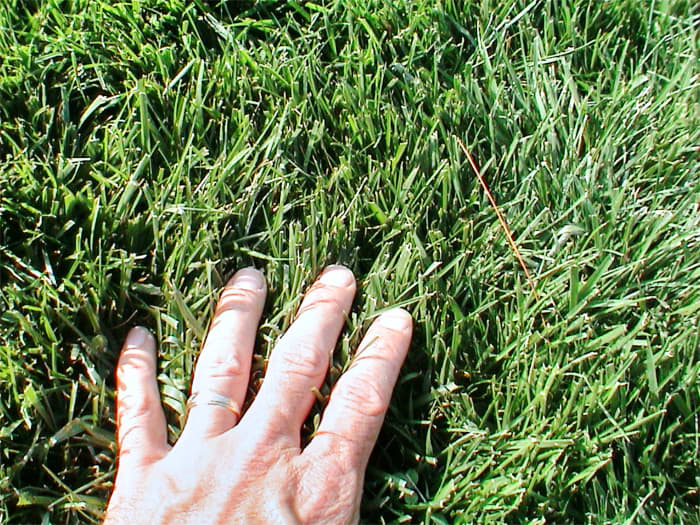
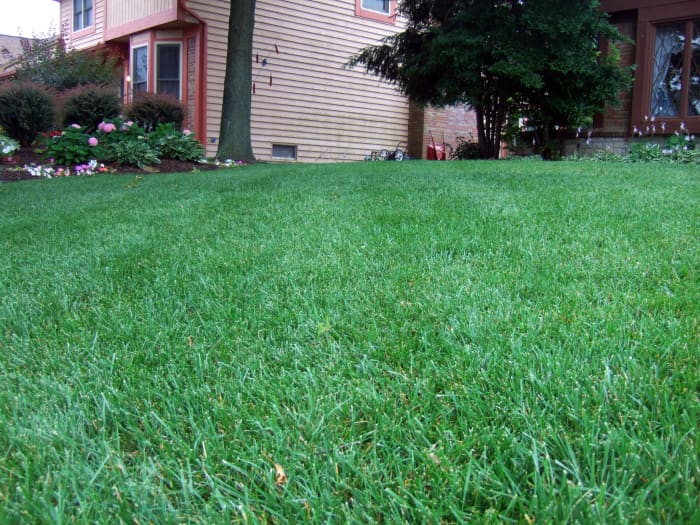
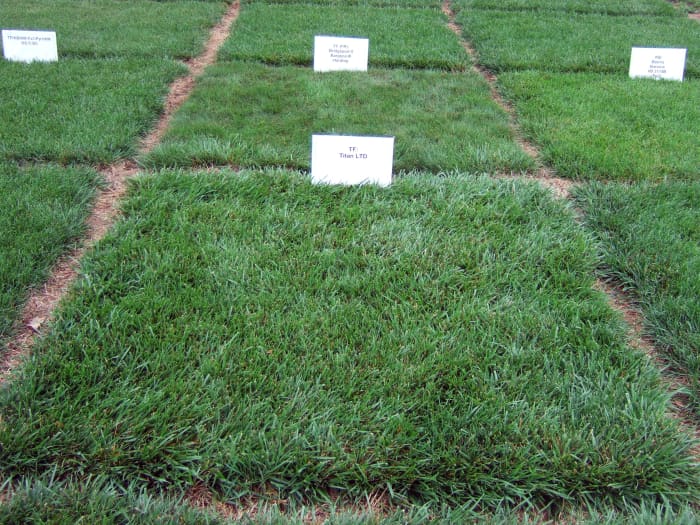
Titan Ltd. has become a favorite fescue, offering you a beautiful dense, thick turf both now and later. Titan Ltd. is tough enough to face almost anything you throw at it. Go ahead and stomp on it, run over it, kick or bounce on it. Land an airplane on it, or let your baby crawl on it. Not a problem for Titan Ltd.
Features
Traffic Tolerance
Titan Ltd. showed exceptional performance under traffic including the HIGHEST RATING of all entries at Rutgers University in 2002!
Rhizomes & Recovery
Titan Ltd. was one of the first fescues to boast over 60% rhizome expression, enabling it better recovery, density, and the ability to fill in bare spots.
Fast Establishment
Titan Ltd. has been specifically selected to produce rhizomes, enabling it to provide increased density and fill in bare spots with brand-new plants.
Ground Coverage
Ground coverage is a measurement used to determine resistance to damage caused by different stresses. In 2002, over the entire growing season, Titan Ltd. had the highest rating for summer ground coverage!
Pest Resistant
Titan Ltd. has one of the highest endophyte levels available. This natural pest fighter has been saving lawns and winning hearts for years.
Traffic Tolerance
Researchers define traffic tolerance as “the combination of wear and compaction stress that occurs whenever a turf is exposed to foot or vehicular traffic. Wear injury occurs immediately upon trafficking a turf. Wear injury symptoms are often expressed within hours and definitely within days.”
The NTEP reports traffic tolerance as a visual estimate of turfgrass tolerance using a 1 to 9 rating scale with 1 being no tolerance or 100% injury, and 9 being complete tolerance or no injury. Titan Ltd. showed exceptional performance under traffic including the HIGHEST RATING of all entries at Rutgers University!
NTEP Trials
Traffic
Multiple Locations
|2002
| Variety | North Brunswick, NJ - Traffic | MI, NE, NJ - Under Traffic Stress |
|---|---|---|
| Highest Scores | 6.8 | 6.5 |
| Titan Ltd. | 6.8 | 6.2 |
| Lowest Score | 2.8 | 5.0 |
| LSD | 2.0 | 0.6 |
| LSD – a measurement of least statistical difference. | ||
| Varieties within the LSD measurement of each other are statistically equal. | ||
Rhizomes
The Titans have a reputation similar to what Timex® had with its classic watches. They can “take a lickin’ and keep on tickin’!” Some genetic qualities simply make these grasses get back up and live when other varieties either die or take longer to recover from damage. Whether that damage comes from hard play, intense disease pressure, pets, drought, cold, or other sources, there’s a good chance that your Titan lawn will come out looking good.
So why is that? What’s so special about the Titan grasses?
First of all, as mentioned before, the Titans just come from hardy stock. It’s like trying to answer the question, “Why are the McCrackens always so strong”, or “How come all the Morses can throw a ball so hard?” It just is!
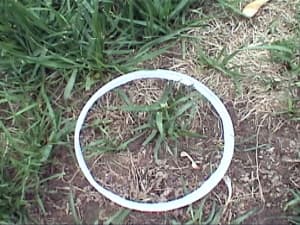
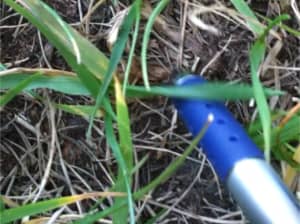
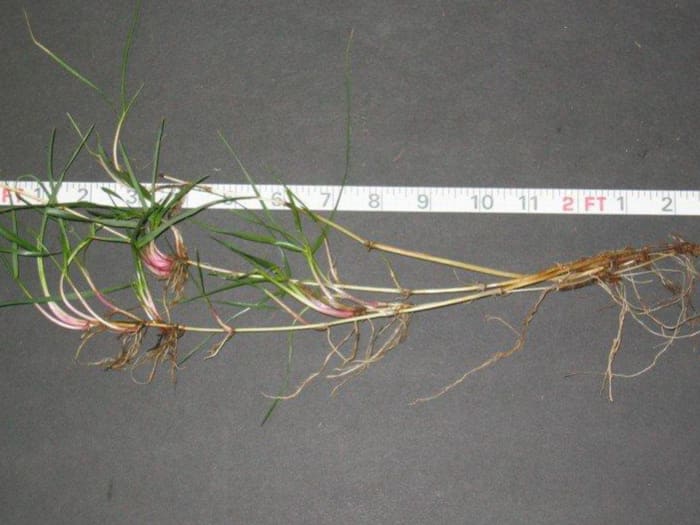
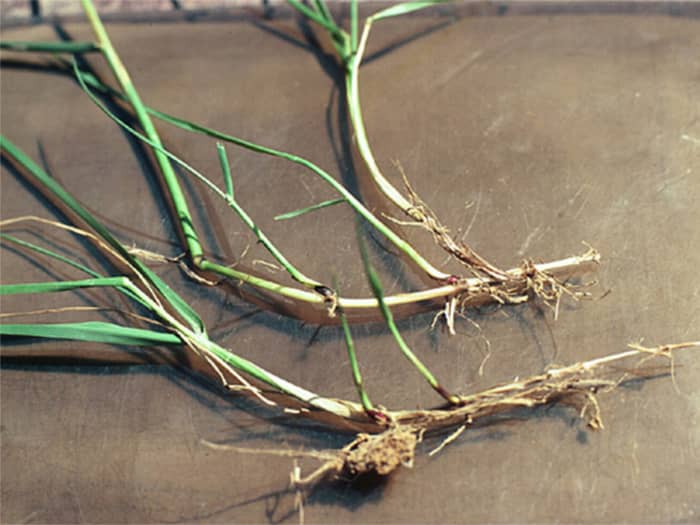
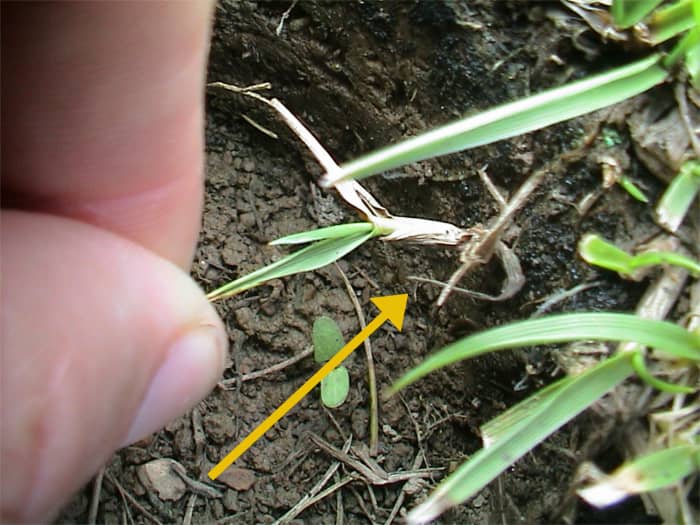
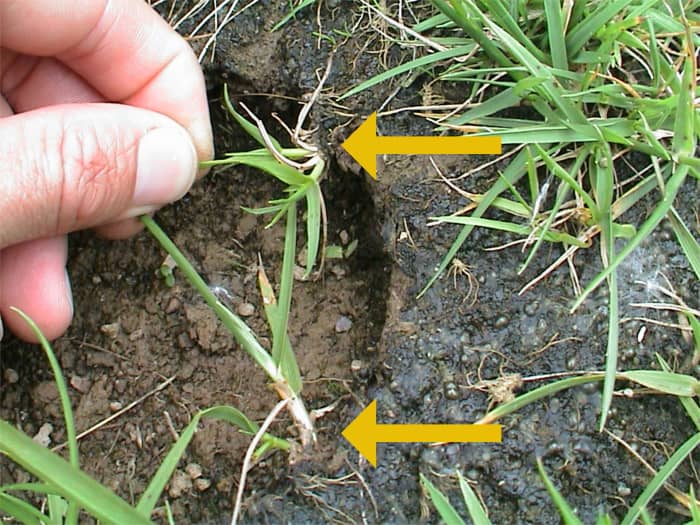
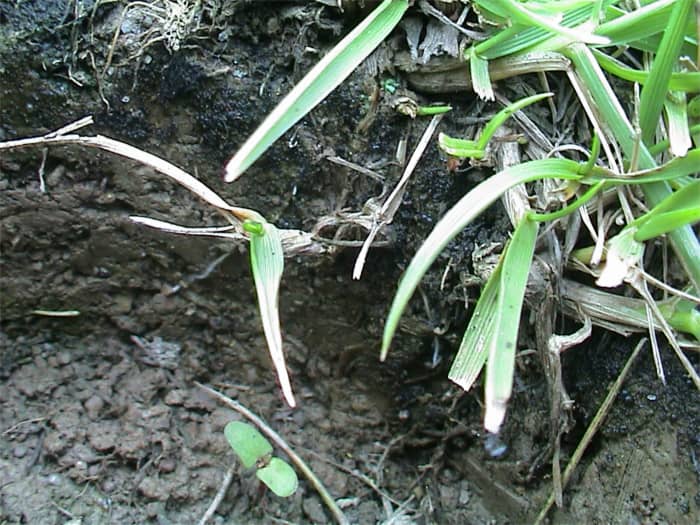
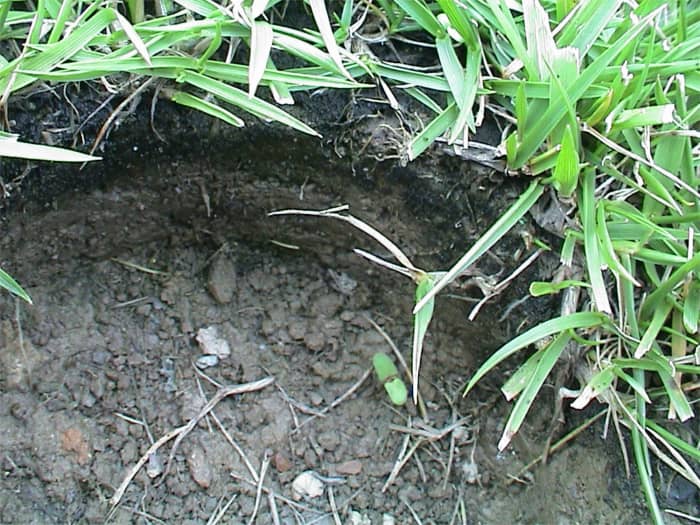
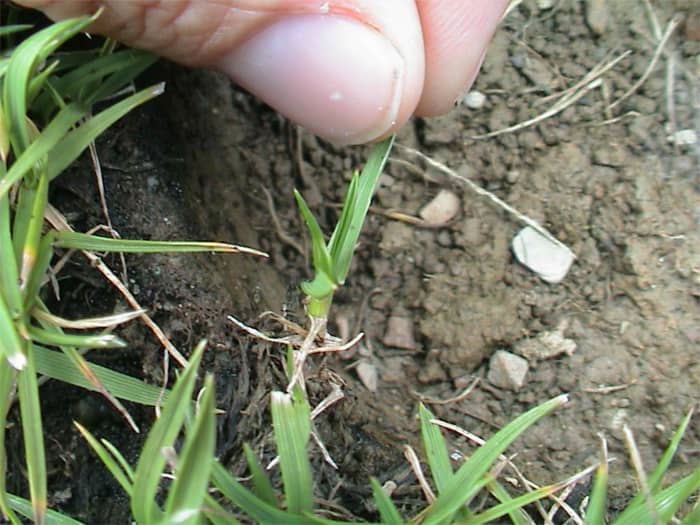
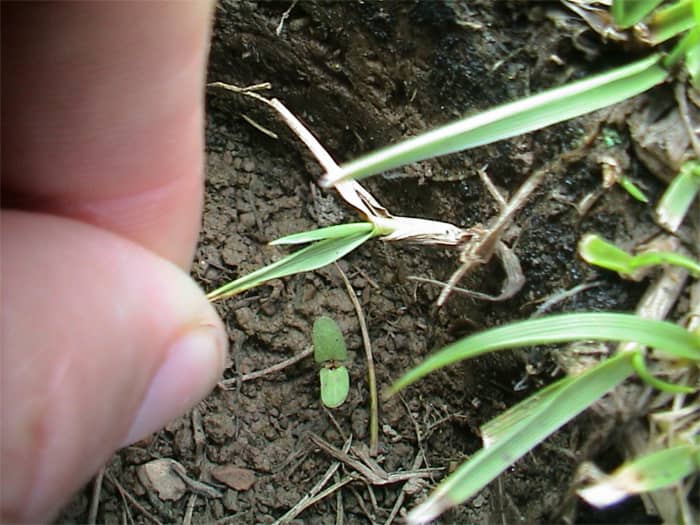
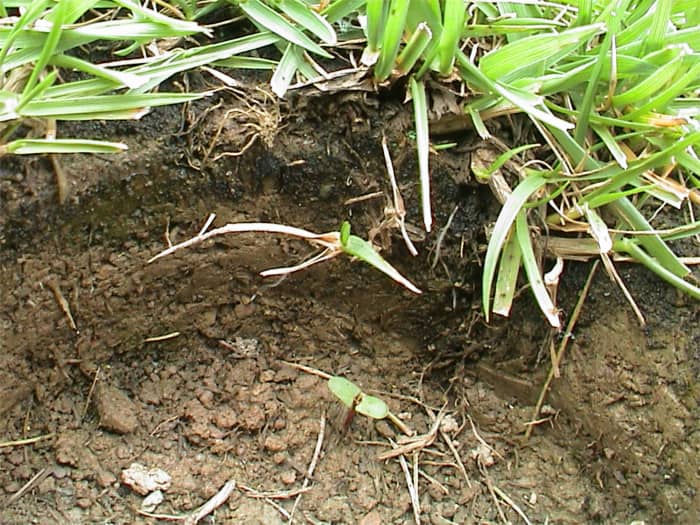
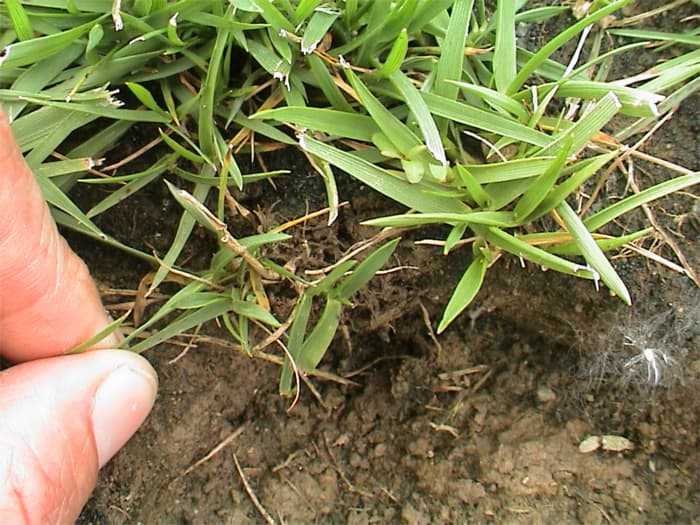
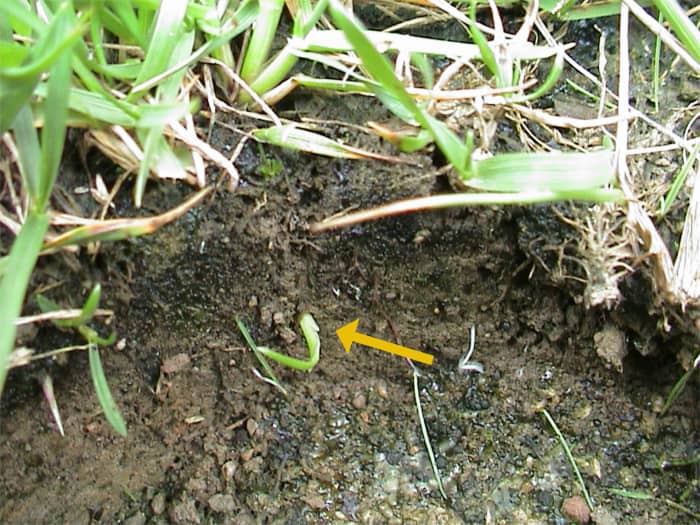
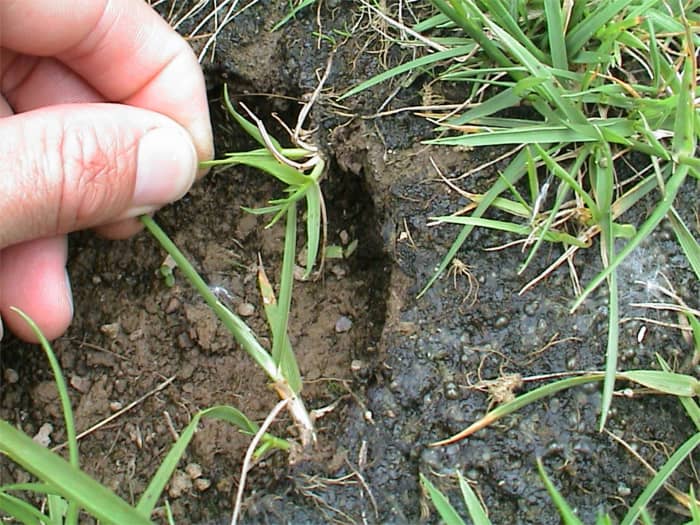
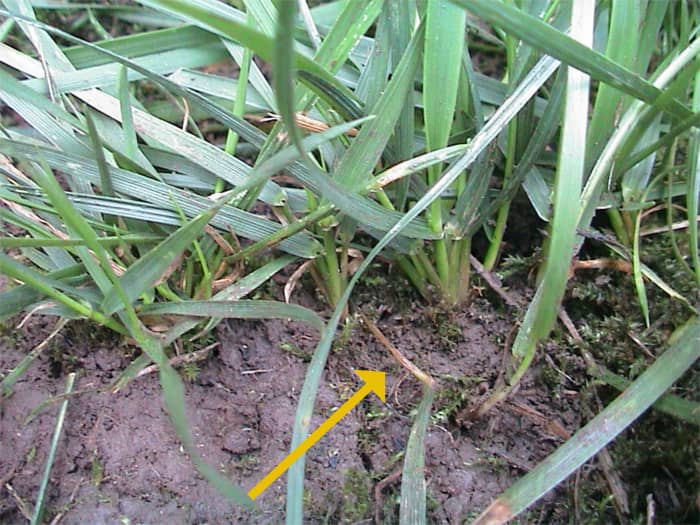
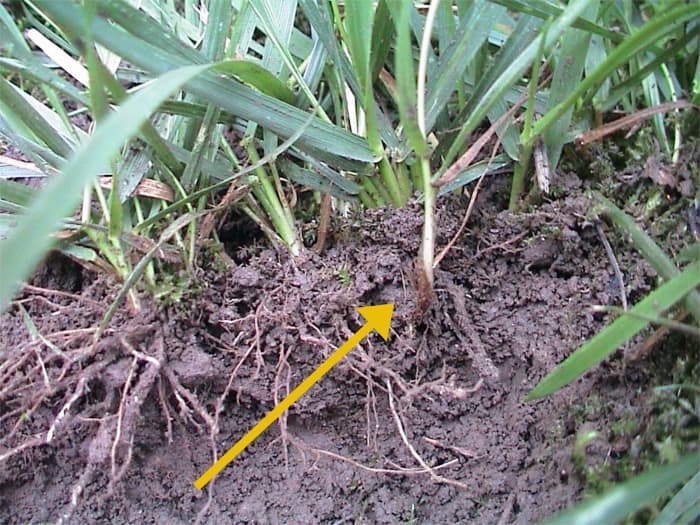
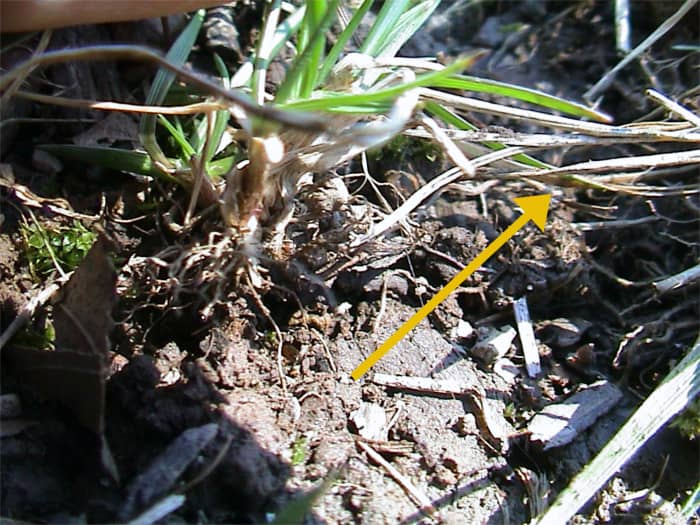
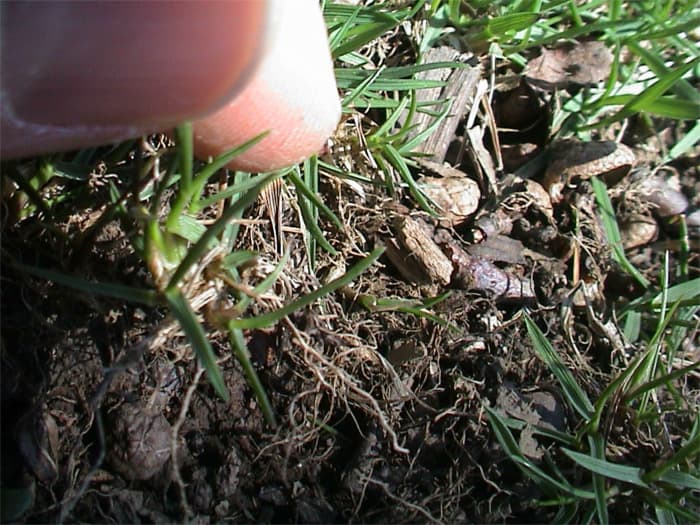
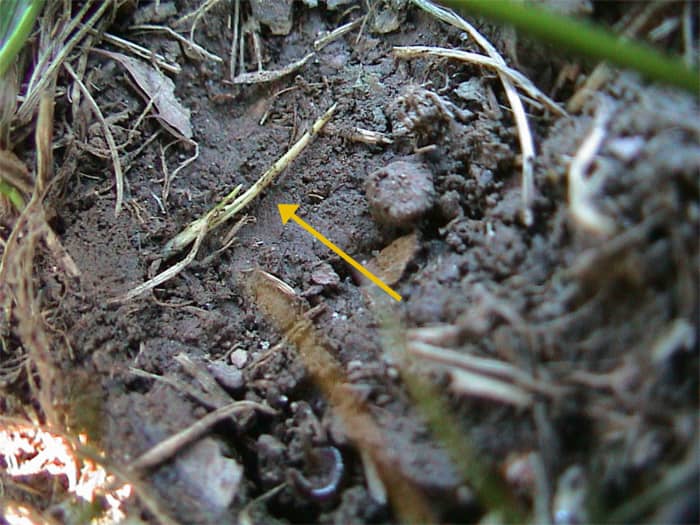
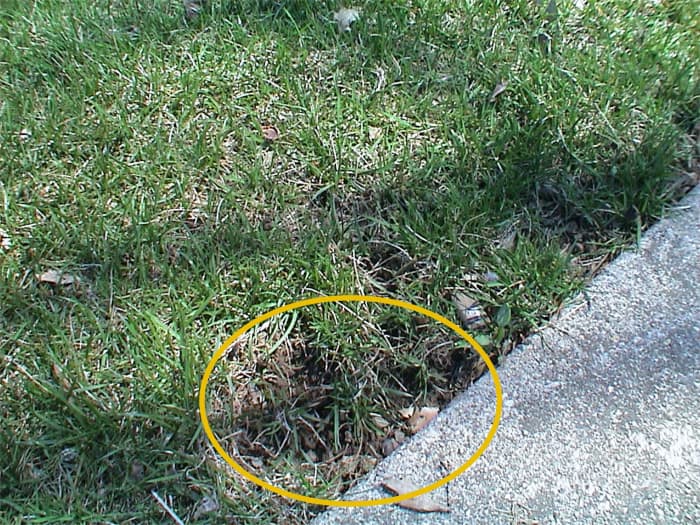
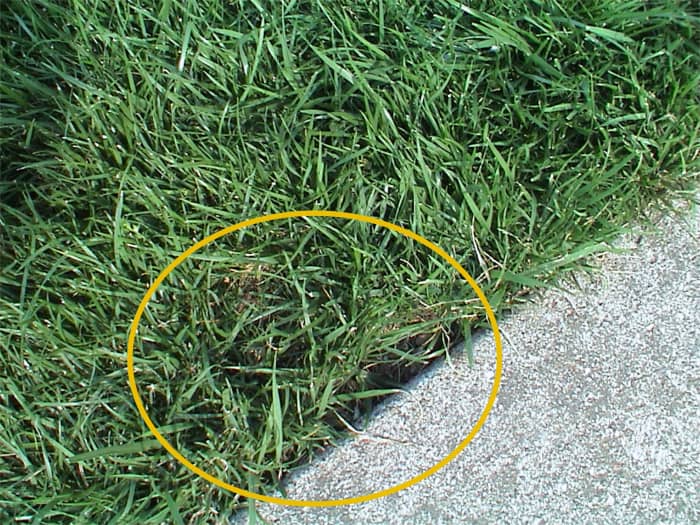
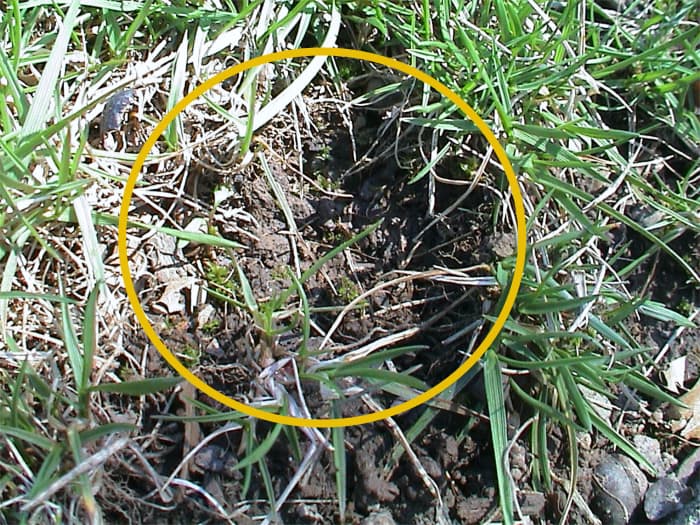
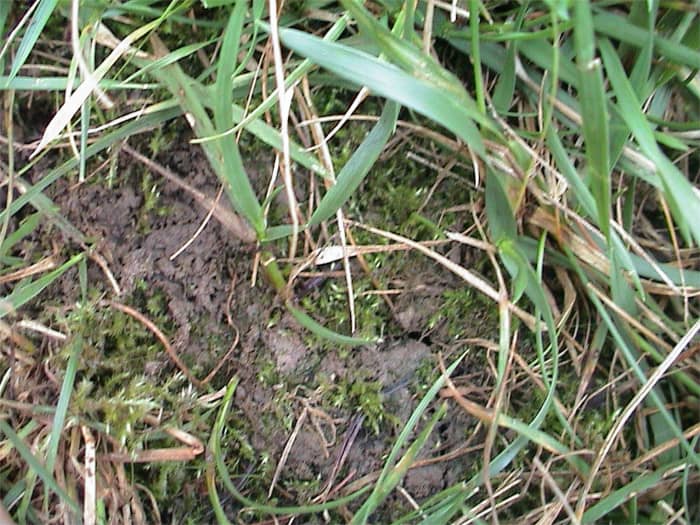
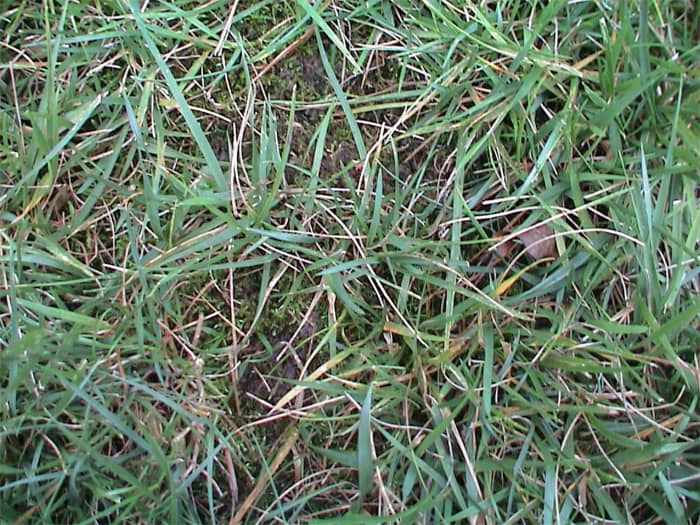
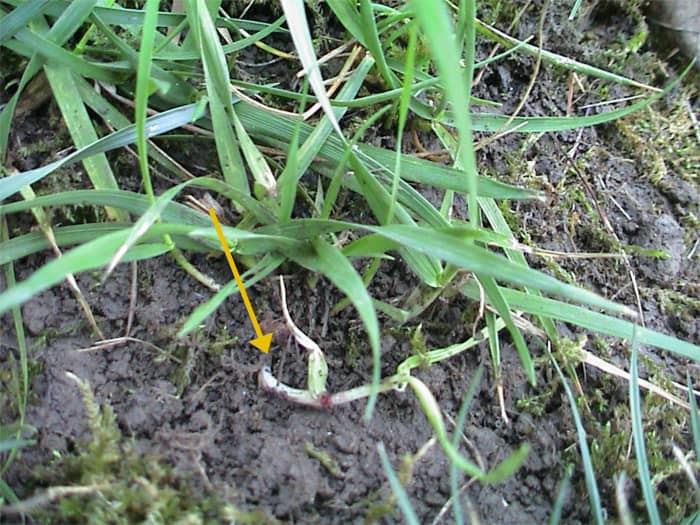
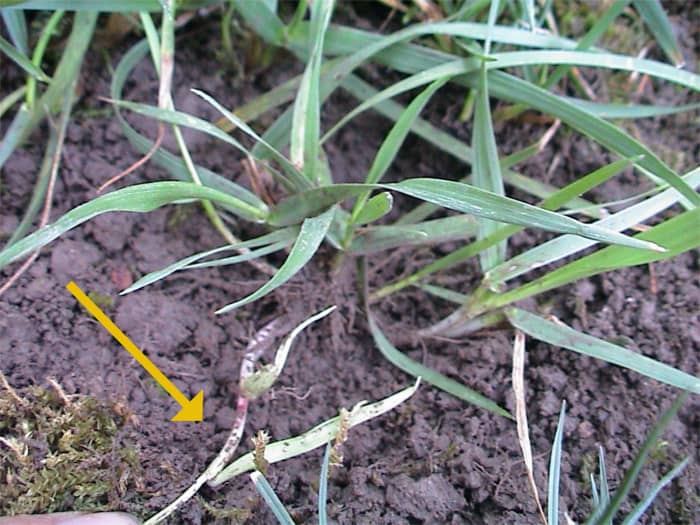
Secondly, the Titans have something that only a few other tall fescues have, an extensive rhizome system. These horizontal underground stems or "rhizomes" spread out to bare spots and send out new shoots and roots which aid in quicker repair and the ongoing thickening of the turf stand. Sometimes tough play, a neighborhood dog, or some bad disease may come through and wipe out a few plants, potentially leaving your lawn with bare spots. So even when your Titan lawn gets knocked around some, the rhizomes constantly act as self-repairing tools, ready and willing to create new plants when needed.
Ground Coverage
The NTEP uses the measurement of Ground Coverage to track the turfgrass response to various stresses during the growing season. It is generally used to express damage caused by disease, insects, weed encroachment, or environmental stress. Over the entire growing season, Titan Ltd. exhibited excellent ground coverage, including the highest rating for Summer Ground Coverage!
NTEP Trials
Ground Coverage
2002
| Variety | Spring | Summer | Fall |
|---|---|---|---|
| Highest Score | 87.0% | 94.8% | 76.1% |
| Titan Ltd. | 82.4% | 94.8% | 72.1% |
| Lowest Score | 72.3% | 82.1% | 60.6% |
| LSD | 6.1% | 8.8% | 7.0% |
| LSD – a measurement of least statistical difference. | |||
| Varieties within the LSD measurement of each other are statistically equal. | |||
Disease Resistance
NTEP reports disease and insect injury based on the turfgrass resistance, using a 1 to 9 rating scale with 1 equaling no resistance or 100% injury, and 9 equaling complete resistance or no injury. Patch diseases can be particularly damaging, especially to varieties that do not recuperate very well.
At present, there are no varieties available that are totally resistant. However, Titan Ltd. has shown impressive resistance to both Brown Patch and Pink Patch.
NTEP Trials
Disease Resistance
Multiple Locations
|2002
| Variety | Brown Patch - Warm Temp. | Brown Patch - Arkansas | Pink Patch - Georgia |
|---|---|---|---|
| Highest Score | 7.7 | 13.30% | 5.00% |
| Titan Ltd. | 6.8 | 17.70% | 10.00% |
| Lowest Score | 5.2 | 44.50% | 30.00% |
| LSD | 1.0 | 26.10% | 10.00% |
| LSD – a measurement of least statistical difference. | |||
| Varieties within the LSD measurement of each other are statistically equal. | |||
Pest Resistance & The Titans
They go way back
Back in the late 80’s, the original Titan fescue was one of only a few groundbreaking grasses to have its own natural, safe pesticide called endophyte. (In fact, even the Washington Post ran a story on it!) This non-toxic insect deterrent has continued to be a key component in every generation of our Titan grasses.
Over the past two decades, the value of endophytes in grasses has continued to be realized. Researchers have found that endophyte not only deters insects but also reduces weed infestations and assists in drought recovery. Endophyte is very valuable. In fact, within the past five years, endophyte-infected grasses have been used as part of the nation’s airport system to defend against bird collisions with planes!
The way endophytes work is very cool!
While living off its grass plant host, endophytes produce defensive chemicals - alkaloids - that are toxic to enemy insects. One effect of these toxic alkaloids is that the plants taste bad. This causes insects to spend more time moving and less time feeding, thus making the insects more vulnerable to predators and pathogens. Newly hatched larvae and nymphs also are more prone to starve in endophytic lawns.
Additionally, endophyte-infected plants produce lower amounts of aromatic compounds that are known to attract insect pests. In other words, in addition to tasting bad to the bad bugs, endophytes may actually “hide” their host from certain insect enemies. Is that cool or what?
Reasons to love endophyte
- Effective against above-ground insect pests, as well as below-ground insects and plant-parasitic nematodes.
- Increases summer performance and tolerance to drought and heat.
- Helps plants better compete against common weeds and dicots (including crabgrass, dandelions, plantain, and clover).
- Enhances disease resistance by maintaining plant health.
- Increases the range of environmental adaptation.
- Increases seed survival, germination, and establishment.
- Improves performance in poor-quality acidic soils and soils with low phosphorus content.
- All natural and does not diminish over time; reduces the need for frequent pesticide treatments.
What you can do to protect your lawn
Plant endophyte-enhanced grasses like Titan Rx, Titan Ultra, Titan Ltd., T.L.C. Blend, and T.L.C. Plus.
In blends and mixes, make sure that at least one or more of the components have a high level of endophyte. Research has shown that even some endophyte in a turf stand reduces insect populations and damage.
As appropriate, promote overseeding of Kentucky bluegrass mono-stands with endophyte-enhanced perennial ryegrasses. Research has shown that even slice seeding 1-2 lbs/1000 sq. ft. of endophyte-enhanced perennial ryegrass into an existing Kentucky bluegrass stand reduces insect damage. Overseeding in the fall will help provide resistance to billbugs, chinch bugs, and sod webworms the following year.
Critters That Hate Endophyte
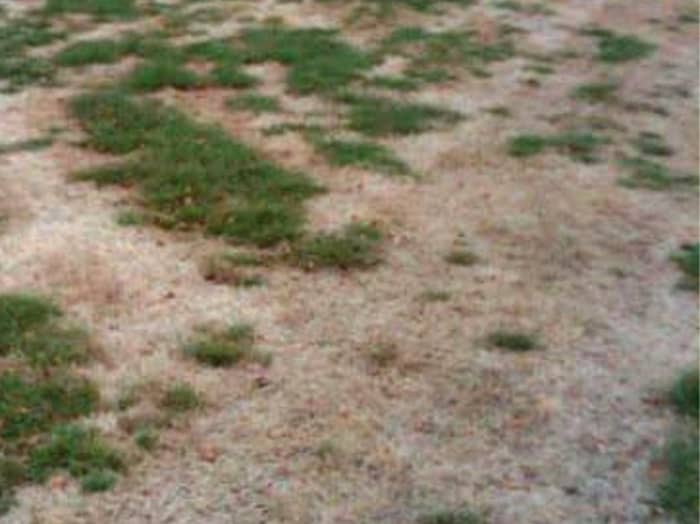
If you don’t want these guys around making your lawn look like this, make sure you have endophytic grass on the menu!
- Annual bluegrass weevils
- Armyworms
- Bluegrass billbugs
- Chinch bugs
- Hairy chinch bugs (these must be the chinch bugs ugly cousins!)
- Black and bronzed cutworms
- Greenbug aphids
- Bluegrass and larger sod webworms
- Cranberry girdlers
- Vagabond crambus
- Japanese beetles
- Southern masked chafers
- Clover mites
- Winter grain mites
- Crionemiones sp
- Heliocotylencheus spp.
- Hoplolaimus galeatus
- Pratylenchus spp.
- Longidorus sp.
- Xiphinema sp.
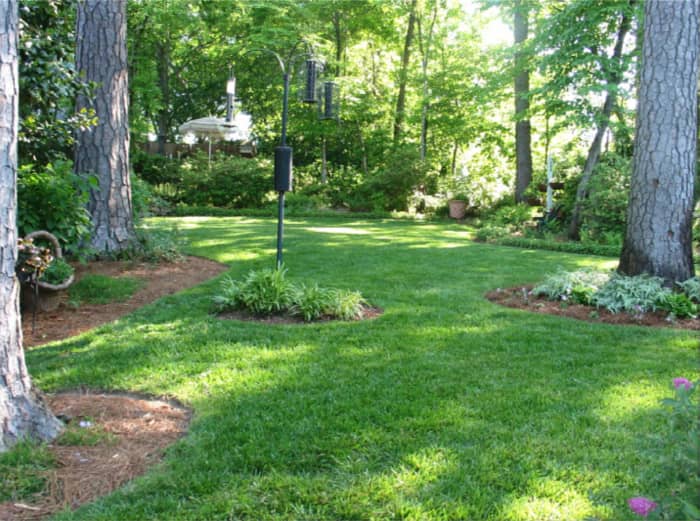
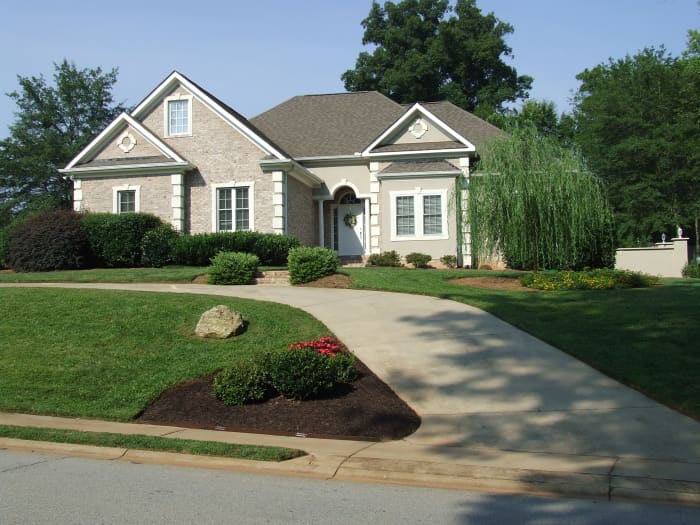
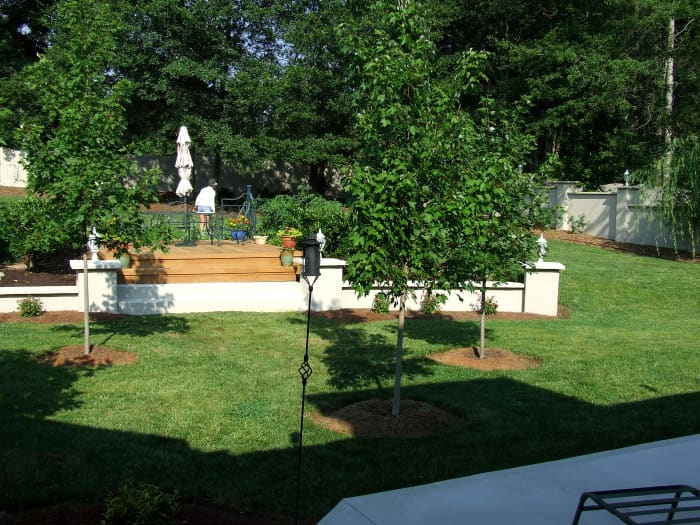
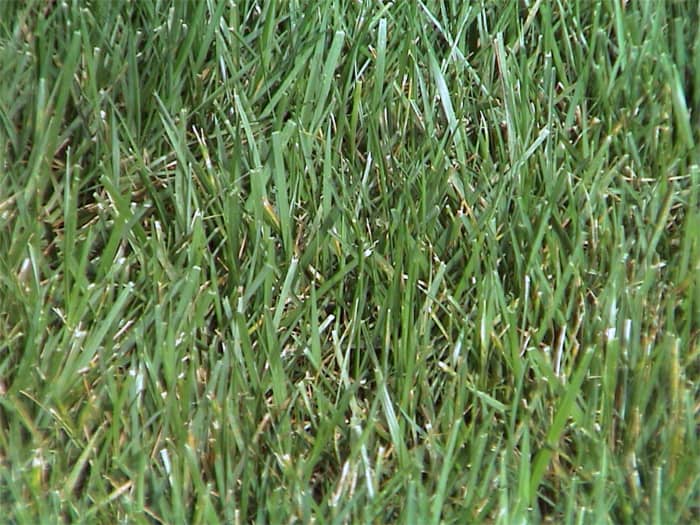
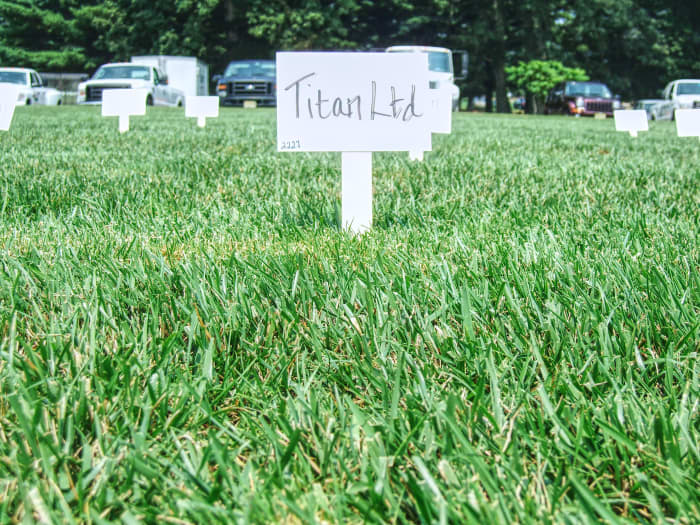
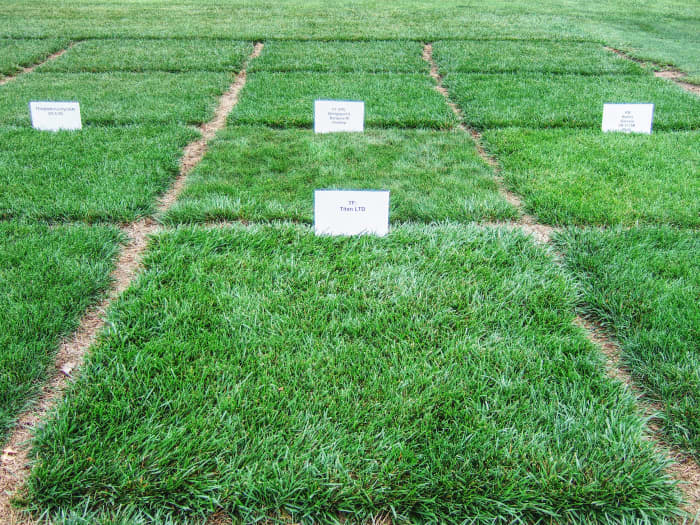
Titan Ltd. Photos